For most, the diagnosis of any type of cancer often feels like an extreme and crushing blow. While multitudes of treatments are available, many of which can produce amazing results, there is still no curing drug that works as a 100% panacea for all cases. The search for a cure to the second leading cause of death in America (only slightly behind heart disease) has been widely sought out and meticulously studied. There is one possible solution that has garnered much support and hope over the past few years. The use of dendritic cells in cancer therapy provides a glimmering hope that disentangles the main problem of cancer: the body’s evasion of the immune system.
Dendritic cells are the spies of the body, recognizing and tagging abnormal cells and pathogens to bring to cytotoxic T cells, thereby activating the body to fight these dangerous growths. Cancer, however has many sneaky ways of evading the immune system and convincing dendritic cells that they are normal “self” cells. Dendritic cell therapy is a personalized therapy that removes blood cells from the body, incubates them with patient’s specific tumor antigens for activation, and releases the mature antigen presenting dendritic cells back into the body intravenously to mount an immune response. The therapy is non-invasive, produces no long lasting side effects as with chemotherapy, and uses the body’s natural healing system to rid itself of the damaged cells. Numerous studies and trials exploring the possibilities of therapeutic autologous dendritic cells have been undertaken and sponsored by the National Cancer Institute.
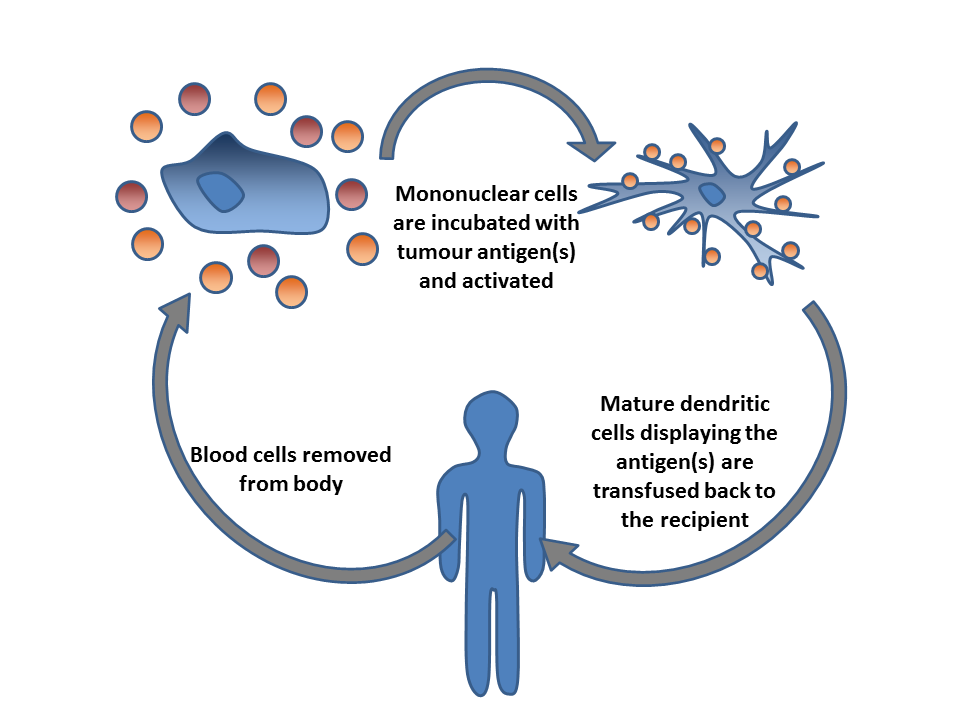
DCV (dendritic cell vaccine therapy) has shown very promising results, revealing a two to three times higher survival rate in DCV patients than in control patients, even when combined with chemotherapy. DCV can be used to treat a plethora of cancer varieties including breast cancer, brain cancer, stomach cancer, uterine cancer, colon cancer, melanoma, kidney cancer, liver cancer, sarcoma, and others. It can also offer solutions at various stages of the disease and has been shown to limit the aggressiveness of particularly virulent cancers. DCV has elicited much excitement in the scientific community as a targeted therapy which trains a patient’s own cells against each patient’s specific cancer. While we are still a ways off from proclaiming a complete cure, DCV is a promising solution that could be a step in that direction.

 micro biology